GTA summers are getting hotter, drier, and less predictable. Traditional, high‑maintenance lawns struggle through heat waves, leaving patchy, thirsty grass and big water bills behind. Eco landscaping offers a different approach: yards that look good, support local ecosystems, and hold up when the forecast calls for another week of extreme heat.
Start With Smarter, Native Planting
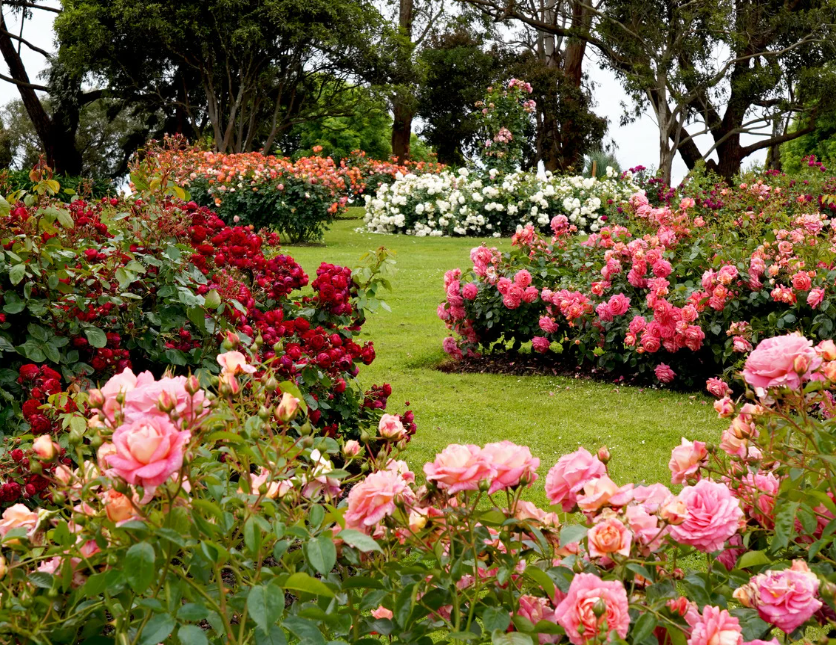
At the core of eco landscaping is plant choice. Native and drought‑tolerant species are adapted to local conditions, so they naturally need less water and care. Deep‑rooted grasses, shrubs, and perennials can reach moisture farther down in the soil and bounce back more quickly after hot, dry spells. Mixing heights, textures, and bloom times builds a yard that stays visually interesting while also feeding pollinators and supporting birds.
Shrink Thirsty Turf Where It Hurts Most
A full front‑to‑back carpet of high‑input turf is one of the least heat‑ready yard designs. Instead of ripping everything out, many GTA homeowners are choosing to reduce lawn only where it makes the most difference—sun‑blasted corners, tight side yards, or steep slopes that are hard to mow. Those areas can be replaced with groundcovers, ornamental grasses, or mulched planting beds. The result is a yard that still has usable lawn, but demands far less water overall.
Use Mulch And Soil Health As Cooling Tools
Healthy soil and the right mulch can act like natural air‑conditioning for plant roots. Organic mulch around trees and in beds shades the soil surface, reduces evaporation, and helps suppress weeds that compete for water.
Over time, that mulch breaks down and improves soil structure, so it holds moisture more evenly. Compost and other soil amendments also boost water‑holding capacity, helping landscapes stay green with fewer irrigation cycles, even in fierce heat waves.
Bring In Smarter Water, Not More
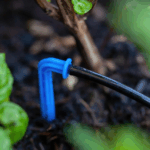
When water is needed, the goal is to use it precisely, not generously. Drip irrigation, soaker hoses, and smart controllers that adjust to weather and soil conditions reduce waste and keep foliage dry, which can improve plant health.
Rain barrels and simple rainwater harvesting systems add another layer of resilience, turning downpours into a free water source for dry weeks. Together, these tools help eco yards ride out restrictions and price hikes without sacrificing appearance.
Cool Hard Surfaces With Shade And Permeable Materials
Hardscape can either amplify or soften heat. Large, dark, impermeable patios and driveways soak up the sun and radiate it back into the yard, creating hot spots. Swapping some of that area for lighter, permeable materials—like pavers with gaps, gravel bands, or planted joints—reduces heat build‑up and allows water to soak into the ground. Adding trees, pergolas, or shade structures over seating areas makes outdoor spaces more usable, even on the hottest afternoons.
Design For People And Wildlife
An eco‑friendly yard is not just a set of technical fixes; it is also a place to live. Thoughtful layouts create small micro‑climates: a shaded reading corner, a sunny herb patch, a pollinator garden visible from the kitchen window.
Bird‑friendly shrubs, flowering perennials, and small water features invite wildlife in without turning the yard wild or unmanageable. The goal is a landscape that feels cooler, calmer, and more connected, even as summers intensify.
Build A Yard That’s Ready For 2026 And Beyond
Heat‑ready, eco landscaping is about working with the GTA’s shifting climate instead of fighting it. By choosing resilient plants, improving soil, using water wisely, softening hardscape, and designing spaces people genuinely enjoy, homeowners can create yards that stand up to 2026’s heat waves—and whatever comes next.
The payoff is a landscape that looks good longer, costs less to maintain, and does right by the environment. Contact Pyramid Contracting today. We can help you design the perfect landscape for 2026.