
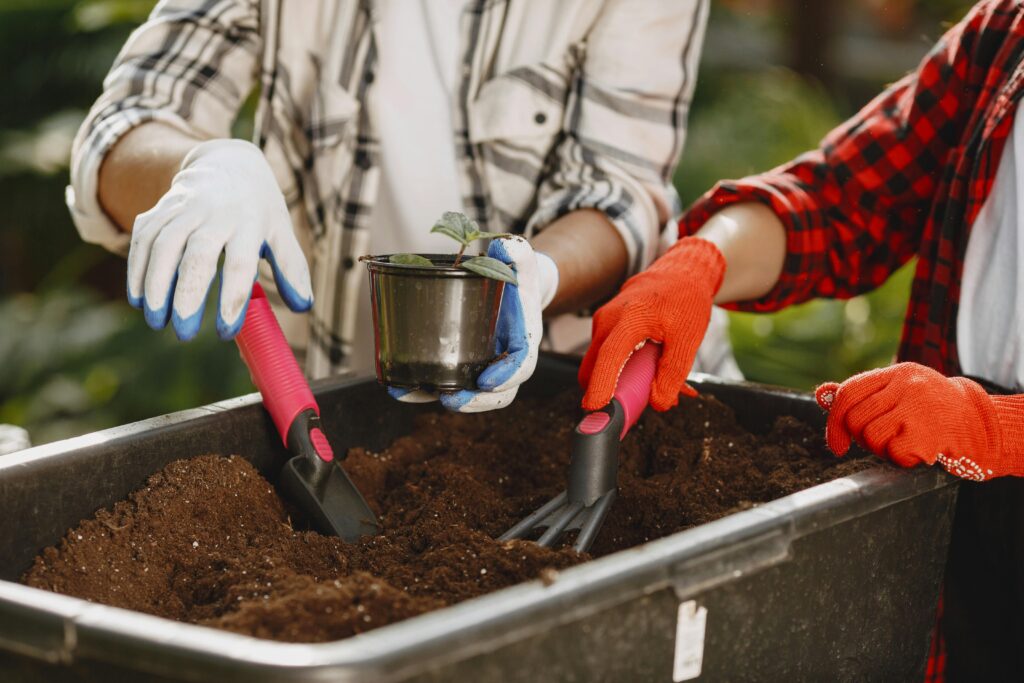
Once the snow melts and soil starts to thaw, many Ontario gardens show dry patches and winter‑worn beds. Smart spring irrigation planning in 2026 helps roots wake up strong and saves you from wasteful watering habits that drain both time and the water bill. With a few simple tweaks, you can get more growth from every drop.
Start With A Soil And Drainage Check
Before you turn on any taps, grab a small shovel and check how deep the soil has thawed. In many yards, the top few inches may be soft while deeper layers stay cold or packed. If water cannot soak down, it will just run off and take soil with it.
Watch where meltwater pools. Low spots and hardpan areas may need soil work or added organic matter so moisture spreads more evenly. Good drainage sets the stage for all your later work with hoses and lines.
Water Roots, Not Leaves
In cool spring weather, wet leaves and stems stay damp for longer, which raises the risk of disease. Aim water at the base of plants so it sinks to the root zone. Drip lines, soaker hoses, or weeper hoses are ideal tools for this job.
Deep, slow watering trains roots to grow down instead of staying near the surface. That makes plants more resilient when summer heat and dry spells arrive. Short, light sprays do little more than wet the mulch.
Build Different Zones For Different Needs
Lawn, shrubs, veggie beds, and pots all drink at different rates. Group plants with similar water needs together if you can. This lets you set up simple zones for heavier or lighter watering instead of treating every corner of the yard the same.
In practice, that might mean one line for veggie beds, another for a mixed border, and a lighter routine for established trees. New plantings will need more frequent attention in their first season.
Time Your Watering For Cooler Hours
Early morning is the best time to water in spring. The soil can absorb moisture before sun and wind pick up, and leaves have time to dry through the day. Late evening can also work, but very damp overnight foliage may invite fungal issues in some beds.
If you use a timer, set it to finish before most people in the house start showers or dish loads. This spreads demand on your system and keeps pressure more stable.
Use Simple Tools To Help While You Travel
Many gardeners worry about being away for a week in late spring when new plants still need steady moisture. Simple bottle spikes, timers, and drip kits can bridge that gap.
You can place slow‑release spikes near new shrubs and perennials and rely on a basic timer for main beds. By next year, many plants will have deeper roots and need less hands‑on care.
Mulch To Hold Moisture Longer
A layer of organic mulch around plants keeps soil cool and slows evaporation. It also helps tame weeds that compete for water. Aim for a few inches, keeping it away from direct contact with stems and trunks.
Mulch works hand in hand with your watering plan. With it, you can water a bit less often while still keeping the root zone moist.
Contact Pyramid Contracting Today
If your yard feels more like a dust patch than a lush retreat each spring, contact Pyramid Contracting today. The team can help design and install smart watering setups, from simple bed lines to full property systems, so Ontario gardens thrive on thoughtful spring irrigation in 2026 and beyond.