When summer heat arrives, traditional lawns and thirsty flower beds quickly show stress. A stone garden flips that script by using rock as the main design element and surrounding it with plants that can handle dry spells. The result is a yard that still looks composed and inviting, even when watering restrictions or busy schedules make daily irrigation unrealistic.
Stone is naturally durable, keeps its structure in any weather, and adds texture and shape without needing water at all. When used thoughtfully, it becomes the backbone of a garden that can handle long, hot stretches with minimal maintenance.
Turning Lawn Into Low‑Water Beauty
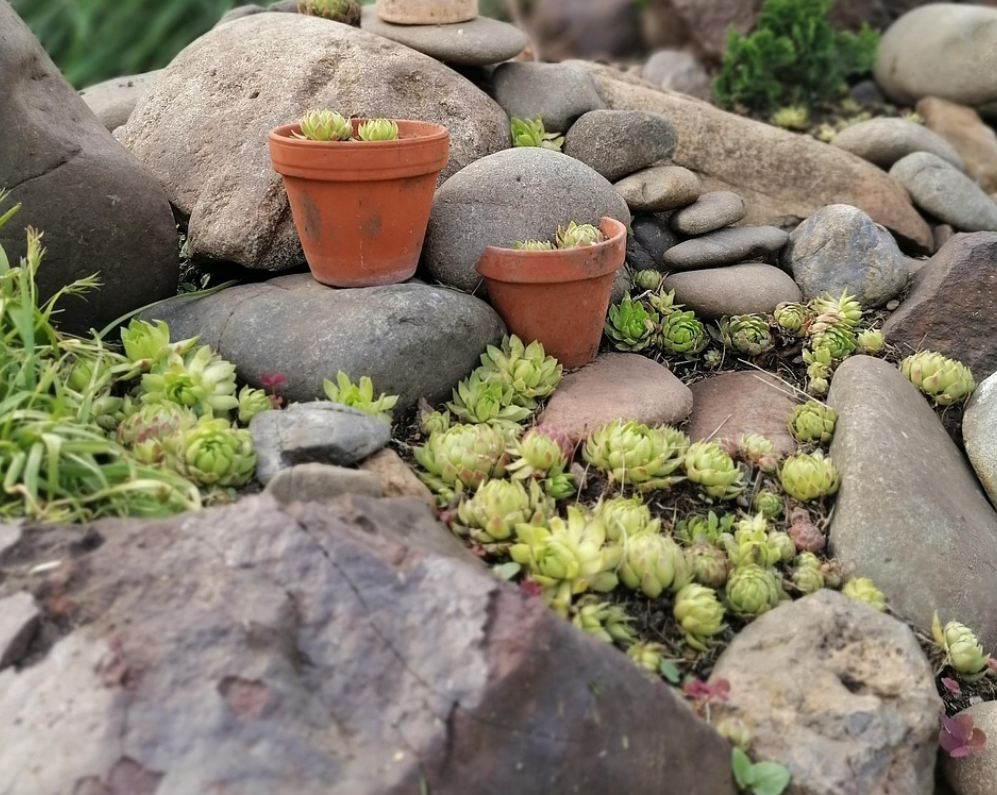
The simplest way to start is by replacing part of a lawn or bed that always seems to struggle in summer. Instead of more grass, that area can become a stone-based feature with:
- Decorative gravel or river rock as the ground layer.
- Grouped boulders or larger stones to create focal points.
- Pockets of soil for drought-tolerant plants like sedums, ornamental grasses, lavender, or other low‑water perennials.
By letting stone cover most of the surface and using plants in clusters, you dramatically reduce the area that needs regular watering but keep the look varied and interesting.
Designing With Texture, Shape, And Light
A good stone garden relies on contrast. Smooth pebbles next to rough boulders, light-colored gravel beside darker rock, and upright grasses against low spreading succulents give the space dimension. Curved paths or dry “stream beds” made of stone can guide the eye and make even small gardens feel larger.
Because stones catch and reflect light differently throughout the day, the garden keeps changing as the sun moves, without you doing any extra work. That play of light on rock and foliage is part of what makes stone gardens feel calming and complete.
Keeping Water Use Low Without Looking Bare
Less water does not have to mean a stark or desert look. A stone garden stays lush in its own way by:
- Grouping plants with similar water needs together, so occasional deep watering actually reaches the right roots.
- Using stone mulch to cover soil, which slows evaporation and keeps roots cooler.
- Choosing plants that stay attractive even when they are not in full flower, such as silver-leaved shrubs or structural grasses.
Instead of daily sprinkling, you can focus on occasional, targeted watering, letting the combination of rock and resilient plants carry the garden through hot spells.
Everyday Maintenance That Stays Simple
Stone gardens typically need far less day-to-day care than lawns or traditional beds. Most of the work comes down to:
- Removing the odd weed that appears between rocks or plant clusters.
- Refreshing or topping up gravel where it has shifted.
- Trimming plants once or twice a season to keep shapes tidy.
There is no mowing, no constant edging, and much less worry about brown patches. For homeowners who want a garden they can enjoy rather than constantly tend, that simplicity is a major advantage.